

Open-world spy game from Grand Theft Auto dev never happened because Rockstar couldn't get it right
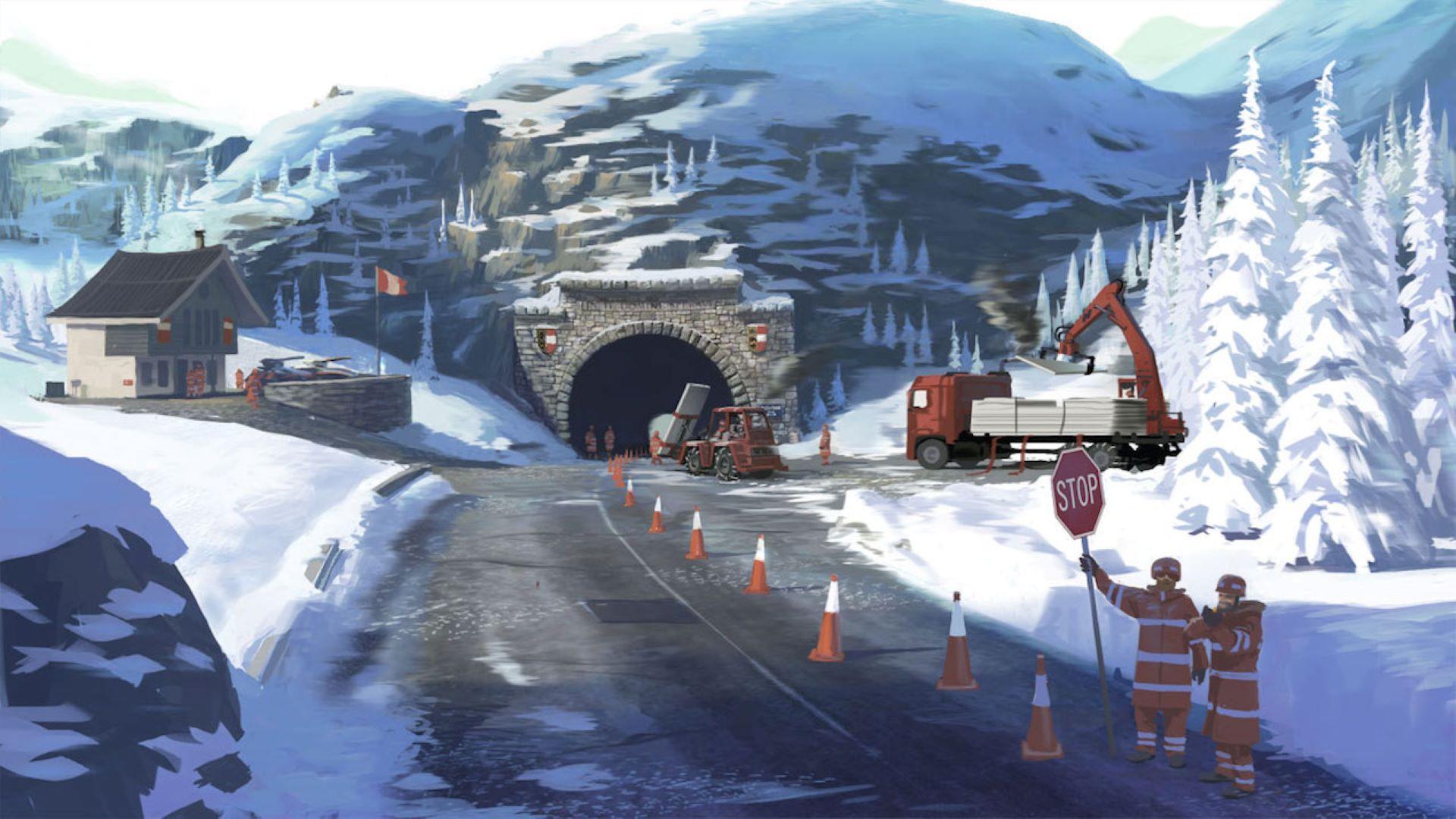
Rockstar Games spent nearly a decade attempting to bring its long-rumored open-world espionage title, Agent, to life, only to admit that the project was fundamentally incompatible with their development philosophy. According to GamesRadar, co-founder Dan Houser recently confirmed in an interview with IGN that the studio attempted to build the game using two or three different teams over several years but consistently failed to find a viable mechanical solution. Houser stated plainly, "We tried with two or three different teams to make an open-world spy game and could not get it right, so it never came out." The co-founder added that the team eventually concluded they were unable to figure out how to build the title, noting that while others might attempt it, he personally believes the concept is exceptionally difficult to execute.
The core friction, as Houser described, lay in the structural mismatch between the spy genre’s narrative pacing and Rockstar’s signature sandbox design. Traditional espionage stories rely on a propulsive momentum that drives the protagonist from one distant location to another, creating a sense of urgent globe-trotting action. However, the open-world format thrives on a more scattered, exploratory experience where players meander through a cohesive map rather than racing between distinct, far-flung hubs. Houser explained that this disconnect made it impossible to replicate the specific thrill of a spy movie within their technical framework, leading to repeated iterations that never quite felt right despite some promising experimental elements.
This revelation offers a fascinating lens through which to view the current state of Grand Theft Auto VI, the first mainline entry in the series since 2013. With the title anticipated for release in 2026 on PlayStation 5 and Xbox Series X|S, Rockstar is returning to a reimagined Vice City set in the fictional state of Leonida. The focus has shifted entirely to the dynamic between the leads, Jason and Lucia, within a tightly polished, high-fidelity environment. By admitting that an expansive, location-hopping spy narrative was a dead end, the studio reinforces its commitment to perfecting the dense, interconnected city simulation that defines its brand, rather than stretching its resources toward a structural experiment that may never have worked.
It is worth considering why this abandoned concept matters to the broader gaming landscape and to Rockstar’s reputation specifically. For a studio that has built its legacy on subverting genre expectations, the willingness to publicly acknowledge a fundamental design limitation is a rare display of structural honesty. It suggests that the delay and secrecy surrounding GTA VI are not merely about marketing or technological hurdles, but also about a studio that refuses to ship a product that doesn't align with its core competencies. This restraint likely contributes to the intense anticipation surrounding the upcoming release, as fans know that Rockstar will only launch a title when it feels mechanically and narratively cohesive, even if it means discarding ambitious projects like Agent that didn't fit the mold.
Furthermore, the cancellation of Agent highlights the opportunity cost inherent in Rockstar's business model. The sheer scale of their recent entries, such as Red Dead Redemption 2, consumes vast amounts of talent and time, leaving little bandwidth for parallel experiments with new genres. While players may have been curious to see how a Cold War-era stealth game would have looked in the Rockstar universe, the studio’s focus on mastering its own formula ensures that GTA VI will deliver a refined, predictable (in the best sense) experience. The decision to let the Agent trademark lapse and move on was likely a pragmatic choice to preserve the studio's creative energy for the next major chapter in the Grand Theft Auto saga.
Ultimately, Houser’s comments serve as a reminder that not every ambitious idea from a top-tier developer results in a successful release. The Agent project was a casualty of trying to force a linear, momentum-driven narrative structure into a sandbox engine designed for lateral exploration. As we await the official arrival of Jason and Lucia in Leonida, it is comforting to know that the developers have already navigated these kinds of creative dead ends before. Their ability to recognize when a concept is not working, rather than forcing it into a release that might have diluted the brand, is perhaps the most significant factor in why Grand Theft Auto VI continues to hold such a dominant position in the industry's collective imagination.