
‘Vice City’ Trademark Abandoned by WWE ahead of GTA 6 launch
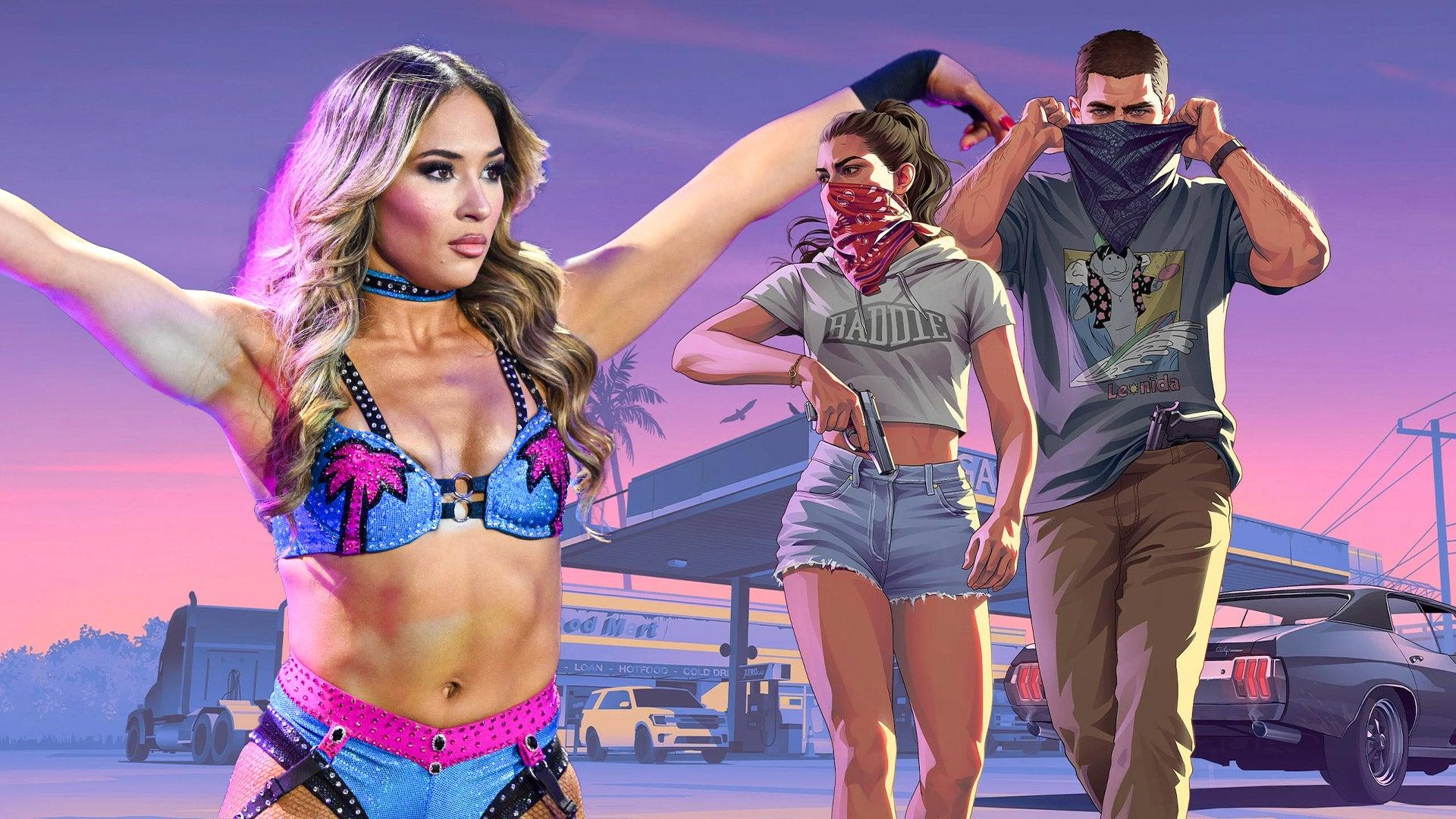
Rockstar Games has received a subtle but significant clearance on the path to its next major title, as WWE has officially abandoned its trademark application for the term “Vice City.” According to reporting from IGN, the wrestling organization initially filed for the intellectual property on August 8, but the application was marked as dead by September 21. While the specific legal maneuvers behind the initial filing remain opaque, the timeline suggests a brief period of contention that has now been resolved in favor of the video game giant’s long-standing association with the name.
It is highly unlikely that WWE was attempting to launch a competing open-world crime simulation, a scenario that would have been logistically and creatively improbable. Instead, the trademark push appears to be linked to the recent elevation of wrestler Lola Vice to the main roster. Her in-ring persona is heavily steeped in Miami aesthetics, and her origin story places her in Miami, Florida, the real-world metropolis that serves as the inspiration for the fictional Vice City. The coincidence of a performer from the same region adopting a name that mirrors the game’s iconic setting likely triggered the initial legal filing, perhaps to protect brand identity for merchandise or promotional materials.
This development occurs at a pivotal moment for the franchise, which is currently scheduled to launch in 2026 for PlayStation 5 and Xbox Series X|S. After a wait of over a decade since the release of Grand Theft Auto V in 2013, Rockstar is preparing to transport players back to a reimagined version of the Florida coast, now expanded into the broader state of Leonida. The narrative will follow the dynamic between the protagonists Jason and Lucia, marking a shift in tone and character dynamics for the series. Ensuring that the "Vice City" moniker remains uncontested by third-party entities is a critical step in preserving the integrity of this highly anticipated return.
The resolution of this trademark dispute is far more than a bureaucratic formality; it signals Rockstar’s meticulous attention to detail in safeguarding its brand equity. In an era where intellectual property rights are fiercely guarded across all media sectors, the fact that a major sports entertainment company attempted to claim the name highlights just how pervasive the cultural footprint of Grand Theft Auto still is. For Take-Two Interactive, whose stock performance has been closely tied to the success of this upcoming release, eliminating such peripheral legal risks is essential. It demonstrates that the publisher is proactively managing the ecosystem around the game, ensuring that no external entity can dilute the brand or create unnecessary legal friction ahead of a mass-market launch.
From a broader industry perspective, this incident underscores the unique position of Grand Theft Auto as a cultural phenomenon that transcends gaming. The name "Vice City" is no longer just a map in a video game; it is a shorthand for a specific era of 1980s Miami noir that fans have internalized over twenty years. The fact that a wrestler from Miami would face trademark scrutiny for using a similar name illustrates how deeply the franchise has embedded itself into popular consciousness. Rockstar’s ability to navigate these waters without drama is a testament to their legal strength and the clear ownership of this cultural asset, which will be crucial as they prepare to reintroduce the setting to a new generation of players.
As development progresses toward the 2026 window, the focus will inevitably shift back to gameplay mechanics and narrative depth, rather than legal minutiae. However, clearing the decks of potential trademark encumbrances allows Rockstar to concentrate its resources on crafting the experience itself. The return to the state of Leonida promises to be a visual and narrative evolution of the series, and having the core identity of the setting legally unchallenged provides a stable foundation for marketing and brand consistency. This quiet victory in the background may not make the headlines in the way a new trailer would, but it is a necessary pillar supporting the massive structure of the upcoming release.
Ultimately, the abandonment of WWE’s trademark application serves as a minor but reassuring note for the community that has waited so long for this sequel. It reaffirms that the rights to the Vice City identity are firmly in the hands of Rockstar Games, allowing the studio to unleash its vision without the distraction of external claims. As the industry continues to blur the lines between sports, entertainment, and interactive media, protecting these distinct brands will only become more complex. For now, the path is clear, and the focus can remain on what is arguably the most significant video game release of the decade.